Case study · Updated 2026-11-25
California Planning Scenarios: Sizing Walk-In Cooler and Freezer Rentals
Three worked examples, labeled as planning scenarios rather than past jobs, showing how a problem becomes a unit order.
Key points
- These are illustrative planning case studies, not completed customer projects.
- Each starts from what must be held and for how long.
- Starting rates come from our price list.
Planning case study · illustrative, not a completed customer project. It shows how we would size temporary cold storage from public guidance and our price list.
Case study 1: a restaurant walk-in fails in Gonzales
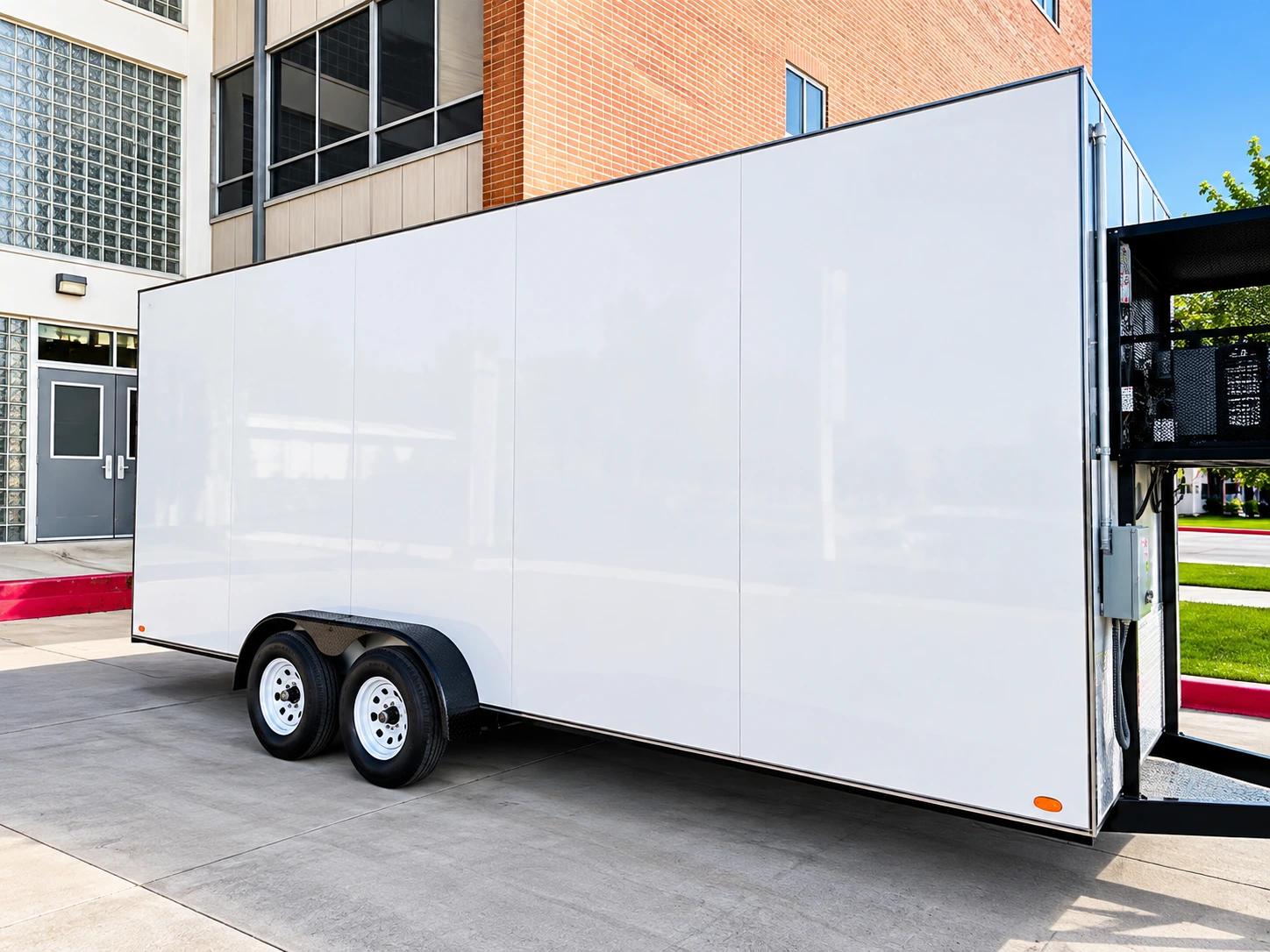
A Friday-night compressor failure at a restaurant in Gonzales; the technician needs four days for parts. A 12ft Refrigerated Trailer (starting from $1,895 / month) on a weekly term holds the stock, checked against the FDA's 40 °F guidance.
Case study 2: packing-season overflow in Firebaugh
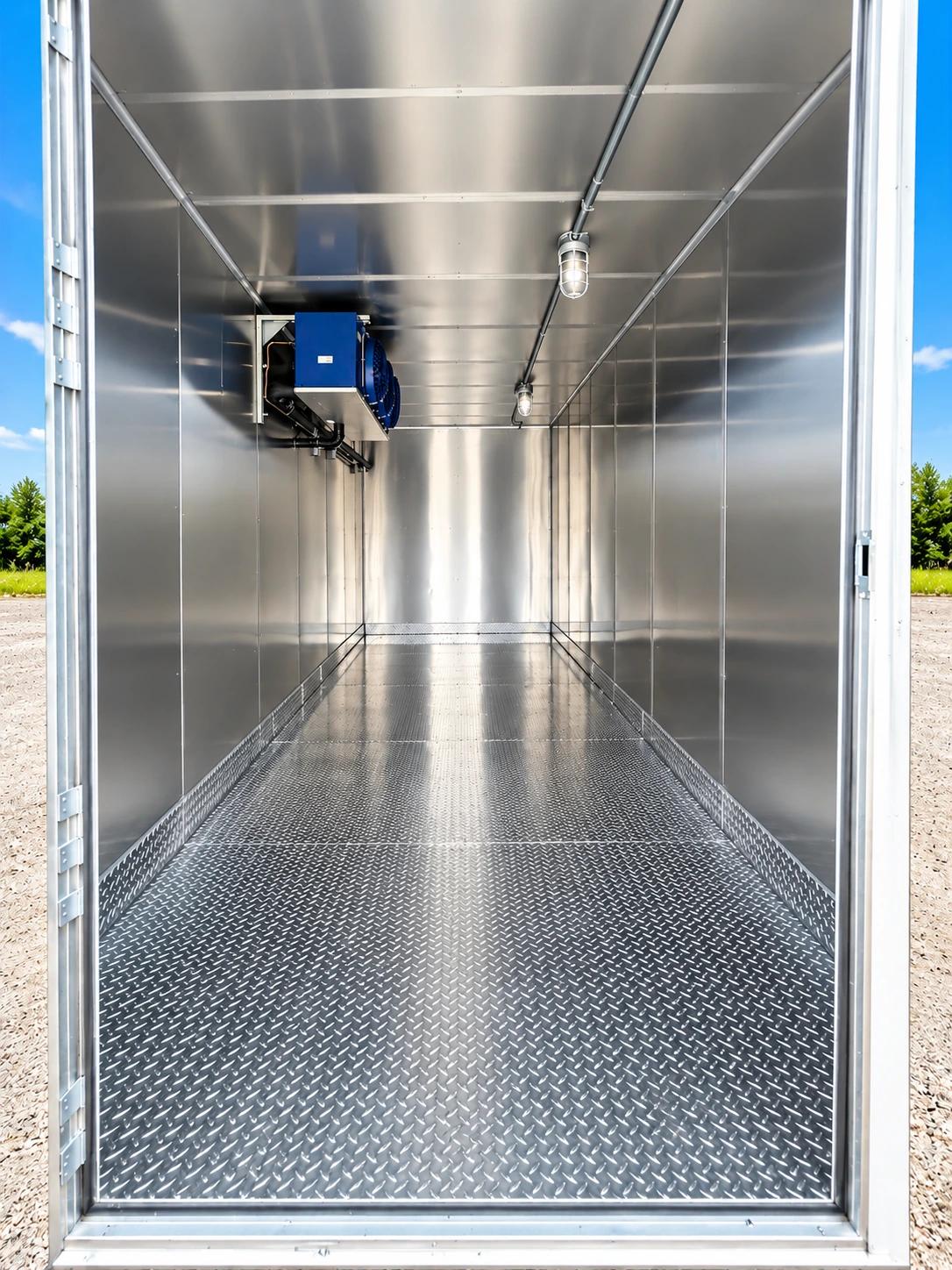
A packer near Firebaugh needs extra cold storage for a ten-week season. Two 40ft Refrigerated Container units at ground level on monthly terms cover the peak.
Case study 3: a school freezer replacement in Colusa
A school in Colusa replaces its walk-in freezer over summer; refrigerant recovery follows EPA Section 608. A low-temperature 20ft Refrigerated Trailer holds frozen stock for six weeks.
For real project references, ask us when you request a quote.
Sources
- FDA: Refrigerator Thermometers, Cold Facts about Food Safety: Keep the refrigerator at 40 °F or below and the freezer at 0 °F; use a freestanding thermometer, since few controls show actual temperatures.
- EPA: Stationary Refrigeration and Air Conditioning (Section 608): Section 608 of the Clean Air Act prohibits intentionally venting ozone-depleting refrigerants and their substitutes; technicians need Section 608 certification.
Links checked 2026-11-25. Figures quoted above appear on the linked pages.